the present-night opening
The Interview Begins
A young radio interviewer meets [Louis](entity:character-recall-character-louis-b60a54ea5311) in a dim San Francisco room and prepares to record the story of his life. Louis reveals that he became a [Vampire](entity:creature-recall-creature-vampire-df20a359382b) in [1791](entity:time-recall-time-1791-f6d773c18787), immediately framing the narrative as an inquiry into identity, morality, and the cost of immortality.
The interview’s intimate setting contrasts with the immense history Louis is about to recount. His controlled manner and the boy’s mounting fear establish the confessional structure of the novel.
1791
Paul’s Visions
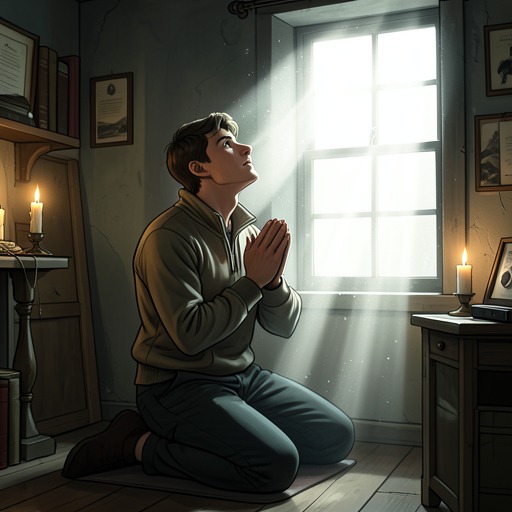
[Louis](entity:character-recall-character-louis-b60a54ea5311) recalls his family’s plantations in [Louisiana](entity:location-recall-location-e662c8ad18f8), where his younger brother [Paul](entity:character-recall-character-paul-6e5f3b48f63d) lives in an oratory and devotes himself to prayer. Paul begins claiming visions of Saint Dominic and the Virgin Mary, insisting that Louis must sell the family property and fund a religious mission in France.
Louis dismisses the visions as fanaticism, recognizing only later that his disbelief may be an act of egotism: he can imagine sanctity in strangers but not in his own brother.
shortly after Paul’s visions in 1791
Paul’s Fatal Fall
After a bitter argument, [Paul](entity:character-recall-character-paul-6e5f3b48f63d) walks onto the gallery and falls to his death, breaking his neck on the brick stairs. Servants report that he looked upward as though seeing something and then was swept forward by an invisible force.
[Louis](entity:character-recall-character-louis-b60a54ea5311) blames himself for Paul’s death, refuses to explain the argument, and becomes consumed by guilt, grief, alcohol, and a desire to die without having the courage to kill himself.
the months after Paul’s death
Louis’s Descent
[Louis](entity:character-recall-character-louis-b60a54ea5311) abandons Pointe du Lac emotionally, leases the plantation, moves his mother and sister to [New Orleans](entity:location-recall-location-b21e3947bb35), and drinks constantly. He avoids [Paul](entity:character-recall-character-paul-6e5f3b48f63d)’s grave but sees the corpse in dreams, while rumors of Paul’s ghost and the family scandal deepen his isolation.
His grief becomes a form of self-destruction. Walking dangerous streets and hoping to be murdered, Louis turns away from ordinary life and makes himself vulnerable to the [Vampire](entity:creature-recall-creature-vampire-df20a359382b) who has been watching him.
late 1791
Lestat’s First Attack
[Lestat](entity:character-recall-character-lestat-1e494e73e33c) attacks [Louis](entity:character-recall-character-louis-b60a54ea5311) near his [New Orleans](entity:location-recall-location-b21e3947bb35) home, drains him nearly to death, and leaves him feverish and confused. Louis assumes that drink or illness has finally destroyed him, while a priest dismisses [Paul](entity:character-recall-character-paul-6e5f3b48f63d)’s visions as demonic possession and enrages Louis by treating Paul’s death as spiritually trivial.
The attack leaves Louis suspended between mortality and transformation. His rage at the priest exposes the intensity that Lestat will exploit when he returns.
the night after the first attack in 1791
Lestat’s Proposition
[Lestat](entity:character-recall-character-lestat-1e494e73e33c) returns to [Louis](entity:character-recall-character-louis-b60a54ea5311)’s sickroom, appearing as an extraordinary, inhumanly beautiful figure. He tells Louis what he might become and overwhelms the self-contempt that has governed his mortal life.
Louis does not quite decide to become a [Vampire](entity:creature-recall-creature-vampire-df20a359382b), yet after Lestat’s speech no other course seems possible. Lestat’s motive is partly practical: he wants control of Pointe du Lac and needs Louis’s wealth and managerial abilities.
the morning before his transformation
Louis’s Last Sunrise
Before leaving to become a [Vampire](entity:creature-recall-creature-vampire-df20a359382b), [Louis](entity:character-recall-character-louis-b60a54ea5311) watches his final sunrise beside his sleeping sister. The light moves across lace, stone, water, and her body with an intensity he has never noticed in any earlier morning.
He says goodbye to the sun and walks into the night with [Lestat](entity:character-recall-character-lestat-1e494e73e33c). The moment becomes a private boundary between his mortal identity and the endless life he is choosing.
the first night of transformation
The Overseer’s Death
At Pointe du Lac, [Lestat](entity:character-recall-character-lestat-1e494e73e33c) kills the plantation overseer while [Louis](entity:character-recall-character-louis-b60a54ea5311) watches as proof of commitment. Louis is horrified not merely by death but by the deliberate destruction of the overseer’s family, whose grief will remain ignorant of what truly happened.
The scene reveals the central divide between the two Vampires. Lestat treats killing as routine domination, while Louis experiences it as a moral and sensory catastrophe.
the same night
Lestat’s Initiation Bite
On the brick steps where [Paul](entity:character-recall-character-paul-6e5f3b48f63d) died, [Lestat](entity:character-recall-character-lestat-1e494e73e33c) drains [Louis](entity:character-recall-character-louis-b60a54ea5311) to the threshold of death and commands him to remain conscious through the process. Louis then drinks Lestat’s blood and hears the two heartbeats merging into a pair of enormous drums.
The exchange completes the essential act of Louis’s [Vampirism](entity:state-recall-state-vampirism-041a5c9665c3). It is both an assault and an awakening, a sensual encounter that replaces mortal selfhood with heightened perception.
the following night
The Death Of Mortality
[Louis](entity:character-recall-character-louis-b60a54ea5311) awakens with a dead body and newly sharpened senses. Colors, sounds, moonlight, and [Lestat](entity:character-recall-character-lestat-1e494e73e33c)’s physical presence become overwhelming, while Lestat’s former spell rapidly collapses as Louis gains the first distance from his creator.
Louis watches his human fluids leave him and experiences the death of his body as a process he can neither stop nor fully understand. He enters the [Daytime Coffin Rule](entity:rule-recall-rule-daytime-coffin-rule-bfffe1649aaa) and begins the life of a [Fledgling vampire](entity:state-recall-state-fledgling-vampire-6af729c423c8).
the first night after Louis’s transformation
The First Human Kill
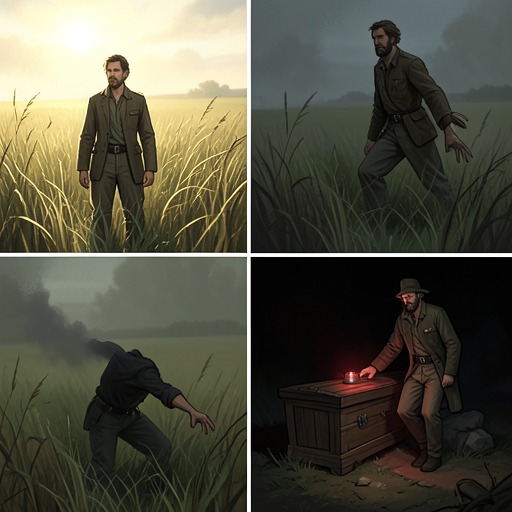
[Lestat](entity:character-recall-character-lestat-1e494e73e33c) leads [Louis](entity:character-recall-character-louis-b60a54ea5311) into the swamp and forces him to kill a runaway slave. Louis initially recoils, but once his teeth enter the man’s throat, the victim’s heartbeat synchronizes with his own and the experience becomes hypnotic.
Louis drinks past the point of death and must be pulled away by Lestat, learning the [Rule Against Drinking from the Dead](entity:rule-recall-rule-rule-against-drinking-fr-b6b8492613bd). The kill establishes that his moral horror cannot prevent the physical ecstasy of feeding.
the following nights
The Animal Alternative
[Lestat](entity:character-recall-character-lestat-1e494e73e33c) shows [Louis](entity:character-recall-character-louis-b60a54ea5311) that Vampires can survive on animals, beginning with a rat whose blood he collects in a wineglass. Louis adopts animal feeding because he wants to approach human death gradually and preserve a distinction between necessity and moral choice.
He understands later that this is not merely an aesthetic preference. Because all aesthetic decisions are moral decisions, his chosen style of feeding becomes an ethical resistance to Lestat’s interpretation of [Vampire nature](entity:concept-recall-concept-vampire-nature-69419e8e788a).
the early 1790s
The Freniere Duel
[Lestat](entity:character-recall-character-lestat-1e494e73e33c) targets the young heir of [Freniere plantation](entity:location-recall-location-freniere-31a335ab4db8), whose death would ruin his five sisters. [Louis](entity:character-recall-character-louis-b60a54ea5311) follows Lestat to a swamp duel, tries to protect the young man, and briefly restrains Lestat while the duel proceeds.
The heir wins the duel but is then killed by Lestat in the confusion. Louis’s sympathy for the Freniere family becomes one of his first sustained acts of resistance against Lestat’s predatory contempt.
immediately after the Freniere duel
Louis Warns Babette
[Louis](entity:character-recall-character-louis-b60a54ea5311) visits [Babette Freniere](entity:character-recall-character-babette-freniere-a76ccfb6dd33) in the darkness and reveals that her brother is dead. He urges her to take control of the plantation, resist social convention, and protect the family’s future through confidence and practical action.
Babette follows his counsel, survives as a woman managing the estate, and later reenters society. Louis’s feeling for her is a form of love joined to distance, an early example of his ideal of [Detachment with feeling](entity:concept-recall-concept-detachment-with-feeli-02e640ba986f).
1795年
The Slave Rebellion Threat
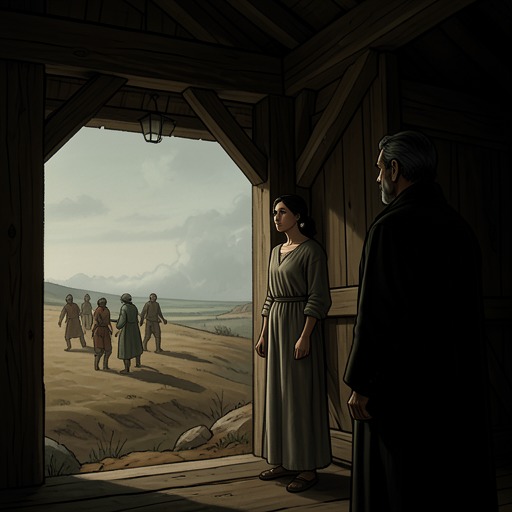
By [1795](entity:time-recall-time-1795-3c7ea7501854), the enslaved people at Pointe du Lac have recognized that [Louis](entity:character-recall-character-louis-b60a54ea5311) and [Lestat](entity:character-recall-character-lestat-1e494e73e33c) are not ordinary men. They have seen the empty dinners, the coffins, and the unexplained deaths, and they begin discussing the destruction of the two supernatural masters.
Louis realizes that the plantation can no longer serve as a safe disguise. Lestat refuses to leave, preferring to kill the slaves, while Louis sees the danger as both practical and moral.
shortly after the slave threat
Lestat’s Dying Father
[Lestat](entity:character-recall-character-lestat-1e494e73e33c)’s blind father lies dying while Lestat treats him with alternating luxury, contempt, and cruelty. The old man recalls that Lestat was once a brilliant and gentle boy whose education was sacrificed by the family.
A slave named Daniel becomes suspicious and threatens to expose the household. [Louis](entity:character-recall-character-louis-b60a54ea5311) kills Daniel to prevent an alarm, confronting human blood again after years of animal feeding.
the same night
The Father’s Final Mercy
[Lestat](entity:character-recall-character-lestat-1e494e73e33c) forces [Louis](entity:character-recall-character-louis-b60a54ea5311) to kill his dying father, claiming that the old man’s suffering and the approaching slave mob make it necessary. Louis drains him gently rather than feeding from him with passion, then decides that Pointe du Lac must be destroyed.
The father’s confused memories expose a lost human tenderness in Lestat, but Lestat cannot openly forgive or be forgiven. Louis’s mercy contrasts with the violence that soon consumes the plantation.
the same night
The Burning Of Pointe du Lac
[Louis](entity:character-recall-character-louis-b60a54ea5311) and [Lestat](entity:character-recall-character-lestat-1e494e73e33c) attack the slaves as panic spreads, and Louis returns to set Pointe du Lac on fire. The plantation, its identity, and its social disguise collapse in one funeral blaze.
Louis leaves behind the role of prosperous planter and turns toward the wealth he has preserved under other names. The burning marks the end of his first life with Lestat and the beginning of their urban existence.
the dawn after Pointe du Lac burns
Babette’s Rejection
[Louis](entity:character-recall-character-louis-b60a54ea5311) seeks refuge with [Babette Freniere](entity:character-recall-character-babette-freniere-a76ccfb6dd33), but she has heard the slaves’ stories and believes him to be allied with the devil. When he tries to explain that he came only to help her, she attacks him with a lantern and invokes divine protection.
Her rejection destroys Louis’s remaining hope of communication with an ideal mortal. He saves her from [Lestat](entity:character-recall-character-lestat-1e494e73e33c)’s violence but cannot save the relationship from fear and religious interpretation.
the next night in New Orleans
The Human Child’s Death
Tormented by questions of [Damnation](entity:state-recall-state-damnation-67f12c3f5261) and driven by hunger, [Louis](entity:character-recall-character-louis-b60a54ea5311) enters a room where a five-year-old girl clings to her dead mother. He kills the mother and then drinks from the child, promising that the pain will last only a moment.
The child’s heart beats with extraordinary persistence, forcing Louis to release her before death. The encounter becomes the moral wound that defines his struggle with [The Kill](entity:concept-recall-concept-the-kill-e758da9abe2c).
immediately after the child’s attack
Lestat’s Cruel Lesson
[Lestat](entity:character-recall-character-lestat-1e494e73e33c) mocks [Louis](entity:character-recall-character-louis-b60a54ea5311) for leaving the child alive and stages a grotesque demonstration with two women in a hotel room. He kills one, terrorizes the other, and places her in a coffin while insisting that Louis must accept himself as a killer.
Lestat argues that Vampires are predators whose conscious distance from human life is their divine privilege. Louis recognizes the power of this argument even as he recoils from its cruelty.
the following night
Claudia’s Creation
[Lestat](entity:character-recall-character-lestat-1e494e73e33c) retrieves the surviving child from an orphan hospital and brings her back to [Louis](entity:character-recall-character-louis-b60a54ea5311). He names her [Claudia](entity:character-recall-character-claudia-e57ffb0cea25), drains her, and gives her his blood; she immediately becomes a [Vampire](entity:creature-recall-creature-vampire-df20a359382b) and feeds on a young slave boy.
Lestat creates Claudia partly to bind Louis permanently to him and partly as an act of revenge against the world and against Louis’s resistance. The event forms the central family of the novel.
the first years after Claudia’s creation
The Vampire Family
[Louis](entity:character-recall-character-louis-b60a54ea5311) and [Lestat](entity:character-recall-character-lestat-1e494e73e33c) raise [Claudia](entity:character-recall-character-claudia-e57ffb0cea25) in [New Orleans](entity:location-recall-location-b21e3947bb35), surrounding her with luxury, fine clothes, music, books, and art. Claudia becomes a powerful killer while remaining physically fixed as a small child.
Louis teaches her to read, think, and perceive beauty, while Lestat teaches her to hunt and kill. Their household becomes both a family and a prison, held together by affection, dependence, and fear.
after many decades together
Claudia’s Adult Mind
[Claudia](entity:character-recall-character-claudia-e57ffb0cea25)’s mind develops into that of an intelligent adult while her body remains permanently childlike. She becomes a sophisticated reader and musician, an eerie seductress, and a highly selective predator.
The mismatch between body and mind turns her existence into an increasingly unbearable form of [Life-in-death](entity:concept-recall-concept-life-in-death-41bd2c19e3a7). [Louis](entity:character-recall-character-louis-b60a54ea5311) begins to see that the child he made cannot mature into the woman she might have become.
after sixty-five years of silence
Claudia’s Questions
[Claudia](entity:character-recall-character-claudia-e57ffb0cea25) asks who made her a [Vampire](entity:creature-recall-creature-vampire-df20a359382b) and why she was created in a child’s body. She studies occult books and vampire legends, pressing [Lestat](entity:character-recall-character-lestat-1e494e73e33c) for the origin of his own transformation.
Her questions awaken [Louis](entity:character-recall-character-louis-b60a54ea5311) from the long emotional sleep that followed Claudia’s creation. Both begin to suspect that Lestat knows little more than they do and has maintained power through secrecy rather than knowledge.
shortly before Claudia confronts Lestat
The Family Murders
[Claudia](entity:character-recall-character-claudia-e57ffb0cea25) kills two household servants and later murders their father and brother. She leaves the bodies hidden in the abandoned kitchen, surrounded by the decay and insects that reveal the danger of careless feeding.
[Louis](entity:character-recall-character-louis-b60a54ea5311) and [Lestat](entity:character-recall-character-lestat-1e494e73e33c) realize that Claudia no longer accepts their authority. Her violence is not merely hunger but a declaration that she is their equal and will govern her own existence.
the eve of 诸圣节
The Feast Of All Saints
[Claudia](entity:character-recall-character-claudia-e57ffb0cea25) returns carrying chrysanthemums and asks which of the two men made her what she is. She explains that she remembers [Louis](entity:character-recall-character-louis-b60a54ea5311)’s mortal sister and sees the evidence that all three Vampires once possessed different bodies.
[Lestat](entity:character-recall-character-lestat-1e494e73e33c) taunts her with the threat that he could undo her transformation, but Claudia’s questions expose his insecurity. Their household enters an open intellectual and emotional war.
after Claudia’s confrontation with Lestat
The Murder Plot
[Claudia](entity:character-recall-character-claudia-e57ffb0cea25) decides that [Lestat](entity:character-recall-character-lestat-1e494e73e33c) must die, arguing that he offers them no knowledge, causes them pain, and keeps them enslaved. [Louis](entity:character-recall-character-louis-b60a54ea5311) resists because he fears Lestat’s unknown powers and cannot imagine killing one of his own kind.
Claudia insists that she will enjoy the act and seeks the power contained in Lestat’s blood. Louis recognizes that her plan threatens not only Lestat but the fragile bond that has kept the three of them together.
the night of Claudia’s first attempt
The Poisoned Children
[Claudia](entity:character-recall-character-claudia-e57ffb0cea25) brings two orphan boys to the house, intoxicates them with absinthe and laudanum, and presents them as a peace offering to [Lestat](entity:character-recall-character-lestat-1e494e73e33c). Lestat drinks from one and becomes paralyzed by the poison.
Claudia reveals that the scene is a trap. She has exploited Lestat’s appetite and vanity, turning his preferred cruelty against him.
the same night
Claudia’s Attack On Lestat
[Claudia](entity:character-recall-character-claudia-e57ffb0cea25) slashes [Lestat](entity:character-recall-character-lestat-1e494e73e33c)’s throat and stabs him in the chest while [Louis](entity:character-recall-character-louis-b60a54ea5311) watches in horror. She then drains him as he calls helplessly for Louis.
Lestat’s body shrivels into a dried, skeletal remnant. Louis helps Claudia dispose of the bodies and abandons the remains in the swamps, believing that their creator has finally been destroyed.
the morning after Lestat’s apparent death
The Family Reconciles
[Claudia](entity:character-recall-character-claudia-e57ffb0cea25) searches [Lestat](entity:character-recall-character-lestat-1e494e73e33c)’s belongings for evidence of his origin and finds nothing. [Louis](entity:character-recall-character-louis-b60a54ea5311) condemns her act and tries to separate himself from her, but her grief and fear of losing him overwhelm her.
She confesses that she would undo the murder if it restored Louis’s love. He embraces her, accepts her again, and the pair prepare to leave [New Orleans](entity:location-recall-location-b21e3947bb35) for Europe.
before the voyage to Europe
The Last Night In New Orleans
[Louis](entity:character-recall-character-louis-b60a54ea5311) arranges money, property, coffins, and passage for himself and [Claudia](entity:character-recall-character-claudia-e57ffb0cea25), intending to buy [Lestat](entity:character-recall-character-lestat-1e494e73e33c)’s independence and disguise their escape. They plan to search central Europe for Vampires who might explain their origins.
The plan is disrupted when Claudia senses that the musician once associated with Lestat has become a [Vampire](entity:creature-recall-creature-vampire-df20a359382b). At the same time, Lestat returns to the [Rue Royale](entity:location-recall-location-rue-royale-ca9895d29c54) house, forcing Louis and Claudia to flee through fire.
the final night before departure
Lestat’s Return
The former musician appears as a newly made [Vampire](entity:creature-recall-creature-vampire-df20a359382b) outside the house, while [Lestat](entity:character-recall-character-lestat-1e494e73e33c) bursts in through the rear of the building. Lestat is scarred, weakened, and furious, but unmistakably alive.
[Louis](entity:character-recall-character-louis-b60a54ea5311) and [Claudia](entity:character-recall-character-claudia-e57ffb0cea25) fight both attackers amid a spreading fire. Claudia uses a poker against Lestat, and the pair escape through the night, leaving the burning house behind.
the following weeks
The Voyage Across The Atlantic
[Louis](entity:character-recall-character-louis-b60a54ea5311) and [Claudia](entity:character-recall-character-claudia-e57ffb0cea25) sail from [New Orleans](entity:location-recall-location-b21e3947bb35) aboard a French ship. A mysterious fever spreads among the passengers, and several die during the crossing, while Claudia studies vampire lore and plans their route toward [Varna](entity:location-recall-location-e3ea52354d6a) and the [Carpathians](entity:location-recall-location-935a2daddd6b).
Louis spends the voyage questioning whether Satan, God, or any supernatural order can explain their condition. The sea and stars intensify rather than resolve his longing for metaphysical certainty.
after reaching Varna
The European Vampire Quest
[Louis](entity:character-recall-character-louis-b60a54ea5311) and [Claudia](entity:character-recall-character-claudia-e57ffb0cea25) travel through [Eastern Europe](entity:location-recall-location-125308667c1b) in an extravagant carriage, seeking the source of the vampire legends. They encounter frightened villages, plague-like rumors, and the remnants of an older supernatural culture.
Their journey becomes increasingly dangerous because local people believe literally in Revenants. Claudia hopes that ancient creatures will provide answers, while Louis increasingly suspects that the quest will reveal only more despair.
during the Eastern Europe journey
Morgan’s Warning
In a village inn, [Louis](entity:character-recall-character-louis-b60a54ea5311) meets [Morgan](entity:character-recall-character-morgan-995ce75c13a9), an English traveler whose wife Emily has been killed by a [Vampire](entity:creature-recall-creature-vampire-df20a359382b). Morgan describes villagers exhuming a woman, staking her, and severing her head to prevent her return.
Morgan’s terror confirms that the local legends are grounded in real violence, but not necessarily in the sophisticated Vampire existence Louis and [Claudia](entity:character-recall-character-claudia-e57ffb0cea25) embody. His grief makes Louis’s own hunger and moral anxiety painfully recognizable.
the same night as Morgan’s warning
The Monastery Revenant
[Louis](entity:character-recall-character-louis-b60a54ea5311) and [Claudia](entity:character-recall-character-claudia-e57ffb0cea25) follow a trail to [ruins near the monastery](entity:location-recall-location-805623f04e65), where they find a rotting [Vampire](entity:creature-recall-creature-vampire-df20a359382b) carrying the wounded [Morgan](entity:character-recall-character-morgan-995ce75c13a9). The creature attacks Louis, and after a brutal struggle Claudia helps crush its skull with stones.
They discover that the Eastern European Vampires are mindless Revenants rather than conscious beings capable of knowledge. The encounter destroys Claudia’s hope that these creatures can explain their origins.
immediately after the Revenant is destroyed
Morgan’s Death
[Morgan](entity:character-recall-character-morgan-995ce75c13a9) survives the [Revenant](entity:creature-recall-creature-revenant-a515d55201c7)’s attack but is nearly dead and recognizes [Louis](entity:character-recall-character-louis-b60a54ea5311). [Claudia](entity:character-recall-character-claudia-e57ffb0cea25) drinks from him while Louis refuses to feed, choosing instead to flee before sunrise.
Louis returns to the village and claims that the [Vampire](entity:creature-recall-creature-vampire-df20a359382b) is dead, using the villagers’ fear and religious expectations to secure shelter. The episode leaves him more convinced that knowledge will not redeem their condition.
near Vienna
The Search For A Creator
[Claudia](entity:character-recall-character-claudia-e57ffb0cea25) asks why [Louis](entity:character-recall-character-louis-b60a54ea5311) cannot create another [Vampire](entity:creature-recall-creature-vampire-df20a359382b), suggesting that he may already have accidentally produced short-lived monsters. Louis refuses to entertain the possibility because he regards creation as the imposition of suffering on another being.
Their argument reveals the difference between them: Claudia seeks knowledge and companionship among her own kind, while Louis fears reproducing the crime that created her.
after the Eastern Europe quest
The Turn Toward Paris
[Claudia](entity:character-recall-character-claudia-e57ffb0cea25) abandons the search through [Vienna](entity:location-recall-location-8daae28d814e) and insists that they go directly to [Paris](entity:location-recall-location-657453741ed3), where language, culture, and a larger [Vampire](entity:creature-recall-creature-vampire-df20a359382b) population may offer what the villages could not. [Louis](entity:character-recall-character-louis-b60a54ea5311) agrees despite his growing exhaustion and doubt.
Paris becomes a promised center of civilization and revelation, replacing the primitive countryside as the place where their questions might finally meet an answer.
the nineteenth century during the 拿破仑三世时代
Arrival In Paris
[Paris](entity:location-recall-location-657453741ed3) overwhelms [Louis](entity:character-recall-character-louis-b60a54ea5311) with its grandeur, history, boulevards, museums, theaters, and concentrated human life. [Claudia](entity:character-recall-character-claudia-e57ffb0cea25) installs them in the luxurious [Hôtel Saint-Gabriel](entity:location-recall-location-h-tel-saint-gabriel-732396fd7394), filling their rooms with flowers, mirrors, clothes, music, and art.
For a brief period they feel renewed, but Claudia’s increasing sophistication and dissatisfaction reveal that Paris is not a cure. The city magnifies the tensions between her fixed body, adult mind, and desire for an independent identity.
early in the Paris period
The Mirror Vampire
While wandering the [Latin Quarter](entity:location-recall-location-11781f8216e3), [Louis](entity:character-recall-character-louis-b60a54ea5311) is followed by a [Vampire](entity:creature-recall-creature-vampire-df20a359382b) who imitates his movements perfectly. The encounter becomes a physical test, ending when another Vampire intervenes and protects Louis.
The rescuer gives Louis a card inviting him to the [Théâtre des Vampires](entity:location-recall-location-dc8b53824694) and signs it with the name [Armand](entity:character-recall-character-armand-49ade90b9dc7). The invitation turns Louis’s abstract search into a concrete entry into an organized Vampire society.
the following night
The Théâtre Performance
[Louis](entity:character-recall-character-louis-b60a54ea5311) and [Claudia](entity:character-recall-character-claudia-e57ffb0cea25) attend the [Théâtre des Vampires](entity:location-recall-location-dc8b53824694), where real Vampires perform a dramatization of death for a human audience. The troupe strips and kills a beautiful woman onstage while presenting the murder as sophisticated entertainment.
Louis is fascinated and revolted by the spectacle. The theater embodies the nineteenth-century [Vampire](entity:creature-recall-creature-vampire-df20a359382b) culture he has sought: theatrical, cynical, predatory, and organized around the parody of transcendence.
immediately after the theater performance
Armand’s Introduction
[Armand](entity:character-recall-character-armand-49ade90b9dc7) brings [Louis](entity:character-recall-character-louis-b60a54ea5311) and [Claudia](entity:character-recall-character-claudia-e57ffb0cea25) beneath the theater into a subterranean chamber filled with paintings of death, damnation, and monstrous violence. Armand appears older and more powerful than the other Vampires, yet remains calm and contemplative.
He offers Louis the intellectual companionship and apparent depth that [Lestat](entity:character-recall-character-lestat-1e494e73e33c) never provided. Louis becomes emotionally drawn to him before he understands whether Armand represents salvation, danger, or another form of domination.
the first night in Armand’s chamber
The Debate About Evil
[Louis](entity:character-recall-character-louis-b60a54ea5311) questions [Armand](entity:character-recall-character-armand-49ade90b9dc7) about Satan, God, and the source of [Vampire](entity:creature-recall-creature-vampire-df20a359382b) power. Armand rejects the idea that Vampires are [Children of Satan](entity:expression-recall-expression-children-of-satan-c8e735e8bdb9) and argues that there is no supernatural knowledge confirming either God or the devil.
Louis insists that if God does not exist, the deliberate taking of human life is still the ultimate evil because mortal life is all that exists. Armand’s logic deepens Louis’s despair rather than relieving it.
during Louis’s early contact with the theater coven
The Theater’s Vampire Law
[Santiago](entity:character-recall-character-santiago-aee5de99da4e) tells [Louis](entity:character-recall-character-louis-b60a54ea5311) that the gravest crime among Vampires is killing one’s own kind. The theater coven treats this rule as the foundation of secrecy and survival, even while mocking outsiders and enforcing conformity.
Louis and [Claudia](entity:character-recall-character-claudia-e57ffb0cea25) realize that their murder of [Lestat](entity:character-recall-character-lestat-1e494e73e33c) has exposed them to danger. Their silence about their origin makes the coven suspicious, and the theater’s law turns their family history into a potential death sentence.
the following nights
Armand’s Temptation
[Louis](entity:character-recall-character-louis-b60a54ea5311) returns to [Armand](entity:character-recall-character-armand-49ade90b9dc7)’s chamber, where Armand keeps a human boy named Denis as a willing companion and slave. Armand admits that he wants Louis and believes Louis can reconnect him to the modern age.
Louis sees Armand as the teacher and companion he has always sought. His attraction threatens his bond with [Claudia](entity:character-recall-character-claudia-e57ffb0cea25), who senses that Armand’s influence could separate them and leave her vulnerable.
during the tower conversation
Armand’s Confession
[Armand](entity:character-recall-character-armand-49ade90b9dc7) explains that Vampires may abandon immortality when the world becomes unintelligible to them. They can simply disappear into the sun or another destructive force when their capacity for change is exhausted.
[Louis](entity:character-recall-character-louis-b60a54ea5311) rejects the idea that sensitivity must end in despair, arguing that even a single candle could sustain wonder. Their exchange establishes the contrast between Louis’s aesthetic receptivity and Armand’s fear of historical obsolescence.
after Louis’s increasing attachment to Armand
Madeleine’s Creation
[Claudia](entity:character-recall-character-claudia-e57ffb0cea25) demands that [Louis](entity:character-recall-character-louis-b60a54ea5311) create [Madeleine](entity:character-recall-character-madeleine-e1dd3336745a), a mortal dollmaker whose grief for her dead daughter has left her surrounded by replicas of the child. Louis resists, but Claudia threatens to abandon him and insists that Madeleine is necessary to complete her public identity.
[Armand](entity:character-recall-character-armand-49ade90b9dc7) secretly exerts his power to persuade Louis, making the act possible without Louis recognizing the manipulation. Louis drains Madeleine and gives her his blood, thereby creating a new [Vampire](entity:creature-recall-creature-vampire-df20a359382b) and violating his own moral prohibition.
the nights after Madeleine’s creation
The Doll Sanctuary
[Madeleine](entity:character-recall-character-madeleine-e1dd3336745a) devotes herself to [Claudia](entity:character-recall-character-claudia-e57ffb0cea25) and constructs a miniature world of furniture, clothing, mirrors, and domestic objects scaled to Claudia’s body. Claudia becomes a fairy-like woman within the space, while [Louis](entity:character-recall-character-louis-b60a54ea5311) watches from outside it with fascination and alienation.
The sanctuary gives Claudia a substitute for the adult life she can never possess. It also exposes Louis’s emotional withdrawal and his fear that the mortal part of him has been the part capable of love.
near dawn after Louis visits Armand
The Théâtre Arrest
The theater coven attacks [Louis](entity:character-recall-character-louis-b60a54ea5311), [Claudia](entity:character-recall-character-claudia-e57ffb0cea25), and [Madeleine](entity:character-recall-character-madeleine-e1dd3336745a) in the [Hôtel Saint-Gabriel](entity:location-recall-location-h-tel-saint-gabriel-732396fd7394). Louis fights fiercely but is overwhelmed by numbers; Madeleine and Claudia are seized, while Louis is beaten and carried back to the theater.
[Lestat](entity:character-recall-character-lestat-1e494e73e33c) appears among the coven, scarred but alive, and demands that Louis return to him. Louis tries to bargain for Claudia’s safety, but [Santiago](entity:character-recall-character-santiago-aee5de99da4e) and the others prepare their judgment under the law against killing one’s own kind.
the same dawn
The Coffin Burial
The theater coven locks [Louis](entity:character-recall-character-louis-b60a54ea5311) inside a coffin and buries him behind brickwork. He struggles against claustrophobia and the paralysis of daytime sleep, hoping that [Armand](entity:character-recall-character-armand-49ade90b9dc7) will find him and rescue [Claudia](entity:character-recall-character-claudia-e57ffb0cea25).
The burial weaponizes the [Daytime Coffin Rule](entity:rule-recall-rule-daytime-coffin-rule-bfffe1649aaa) against Louis. His terror becomes a test of whether Armand’s promise of protection extends beyond personal desire.
the following night
Armand’s Rescue
[Armand](entity:character-recall-character-armand-49ade90b9dc7) breaks through the brick enclosure and frees [Louis](entity:character-recall-character-louis-b60a54ea5311), but admits that he cannot safely rescue [Claudia](entity:character-recall-character-claudia-e57ffb0cea25). Louis refuses to leave without her and returns with Armand to the theater.
The rescue reveals Armand’s limits and his unwillingness to openly destroy the coven’s authority. Louis’s love for Claudia overcomes his desire to escape with Armand alone.
immediately after Louis returns
Claudia And Madeleine’s Execution
[Louis](entity:character-recall-character-louis-b60a54ea5311) finds [Lestat](entity:character-recall-character-lestat-1e494e73e33c) holding [Claudia](entity:character-recall-character-claudia-e57ffb0cea25)’s yellow dress and learns that Claudia and [Madeleine](entity:character-recall-character-madeleine-e1dd3336745a) have been placed outside in the rain. Their bodies have been burned: Madeleine is a blackened corpse, while Claudia has been reduced to ashes.
The theater’s punishment destroys Louis’s last living attachment. His grief erupts into violence against [Santiago](entity:character-recall-character-santiago-aee5de99da4e), but [Armand](entity:character-recall-character-armand-49ade90b9dc7) restrains him and carries him away from the scene.
the next dawn
Louis Burns The Theater
[Louis](entity:character-recall-character-louis-b60a54ea5311) obtains a carriage, a scythe, and barrels of kerosene, then returns to the [Théâtre des Vampires](entity:location-recall-location-dc8b53824694). He seals the entrances, empties kerosene through the cells and ballroom, and sets the entire building ablaze while the coven sleeps.
[Santiago](entity:character-recall-character-santiago-aee5de99da4e) confronts him in the smoke, and Louis decapitates him before escaping into the rain. The act violates the theater’s law but becomes Louis’s revenge for [Claudia](entity:character-recall-character-claudia-e57ffb0cea25) and [Madeleine](entity:character-recall-character-madeleine-e1dd3336745a).
two nights after the theater fire
Leaving Paris
[Louis](entity:character-recall-character-louis-b60a54ea5311) returns to the ruins and finds that most of the theater coven has perished. He learns from [Armand](entity:character-recall-character-armand-49ade90b9dc7) that Armand dismissed the human guards before the fire, knowingly clearing the way for Louis’s attack.
Louis accuses Armand of allowing the destruction while preserving his own sense of principle. Armand neither denies responsibility nor seeks forgiveness, and the two leave [Paris](entity:location-recall-location-657453741ed3) together after Louis turns toward the [Louvre](entity:location-recall-location-ab893fc37fa8) and the world of art.
the final night in Paris
The Louvre’s Consolation
[Louis](entity:character-recall-character-louis-b60a54ea5311) spends the night in the [Louvre](entity:location-recall-location-ab893fc37fa8), seeking refuge in paintings, sculpture, and accumulated human beauty rather than in human relationships. [Armand](entity:character-recall-character-armand-49ade90b9dc7) accompanies him but cannot restore the emotional life Louis lost with [Claudia](entity:character-recall-character-claudia-e57ffb0cea25).
Louis begins to detach art from the human beings who created it. Beauty remains powerful, but it no longer promises understanding, redemption, or return to humanity.
after leaving Paris
The Journey To Egypt
[Louis](entity:character-recall-character-louis-b60a54ea5311) and [Armand](entity:character-recall-character-armand-49ade90b9dc7) travel through Egypt, Greece, Italy, and Asia Minor, following Louis’s interest in tombs, ruins, museums, and ancient art. Louis becomes increasingly absorbed in objects and monuments rather than in living relationships.
The journey changes little inside him. Armand remains his companion, but at an emotional distance, while Louis’s pursuit of beauty becomes a controlled form of spiritual death.
many years later
Return To New Orleans
[Louis](entity:character-recall-character-louis-b60a54ea5311) and [Armand](entity:character-recall-character-armand-49ade90b9dc7) eventually return to [New Orleans](entity:location-recall-location-b21e3947bb35), where Louis recognizes the familiar atmosphere beneath the city’s modern changes. He revisits the [Rue Royale](entity:location-recall-location-rue-royale-ca9895d29c54) house and senses [Lestat](entity:character-recall-character-lestat-1e494e73e33c)’s presence in the old neighborhood.
The return awakens a faint sadness and desire that Louis had believed extinguished. Armand, however, has concealed a crucial fact: Lestat survived the theater fire and returned to New Orleans.
the same New Orleans period
The Search On St. Charles
[Louis](entity:character-recall-character-louis-b60a54ea5311) follows a young [Vampire](entity:creature-recall-creature-vampire-df20a359382b) through [St. Charles Avenue](entity:location-recall-location-85a1af24d588) and into a decaying house. There he discovers [Lestat](entity:character-recall-character-lestat-1e494e73e33c) living in squalor with another young Vampire, a crying human baby, and the remains of cats.
Lestat is no longer the elegant, commanding figure of Louis’s memories. He is frightened by modern sounds, dependent on animal blood, and physically and mentally diminished by his inability to accept historical change.
the same night
Louis Reunites With Lestat
[Lestat](entity:character-recall-character-lestat-1e494e73e33c) recognizes [Louis](entity:character-recall-character-louis-b60a54ea5311) and begs him to stay, insisting that he dreamed of his return. He speaks haltingly of the past and of [Claudia](entity:character-recall-character-claudia-e57ffb0cea25), but Louis refuses to resume their relationship or provide the forgiveness Lestat seeks.
Louis leaves carrying the baby, which he returns to its crib. His encounter with Lestat produces not hatred but a larger sadness for all he has loved, lost, and failed to understand.
about a month after Louis finds Lestat
Armand’s Final Plea
[Louis](entity:character-recall-character-louis-b60a54ea5311) tells [Armand](entity:character-recall-character-armand-49ade90b9dc7) about [Lestat](entity:character-recall-character-lestat-1e494e73e33c)’s decline. Armand hopes that the return to [New Orleans](entity:location-recall-location-b21e3947bb35) and the sight of Lestat might revive Louis’s passion, anger, or attachment.
Louis explains that he feels no desire for revenge and that Armand’s own actions caused [Claudia](entity:character-recall-character-claudia-e57ffb0cea25)’s death. Armand finally admits that he expected Louis to return to life through grief, but discovers that Louis has become emotionally unreachable.
shortly after the riverfront conversation
Armand’s Departure
[Armand](entity:character-recall-character-armand-49ade90b9dc7) tells [Louis](entity:character-recall-character-louis-b60a54ea5311) that he had hoped to become the protector of his pain and the partner of his future, but Louis’s coldness makes him feel nonexistent. Louis answers that their hoped-for love and goodness were impossible within a life founded on conscious evil.
Armand walks away down the levee and never returns. Louis later removes Armand’s abandoned coffin from the [St. Louis Cemetery](entity:location-recall-location-fc88b7ee1c0d) and destroys it, severing the last physical remnant of their relationship.
the following months
Louis Leaves New Orleans
[Lestat](entity:character-recall-character-lestat-1e494e73e33c)’s latest child asks [Louis](entity:character-recall-character-louis-b60a54ea5311) to become his teacher, but Louis threatens to destroy him if he appears again. Louis then leaves [New Orleans](entity:location-recall-location-b21e3947bb35) because the city’s memories and the lingering sadness have become unbearable.
He chooses unfamiliar places and continued isolation over any renewed attempt at companionship. The narrated life has reached the emotional condition Louis described at the beginning: immortality without hope of transformation.
the present-night conclusion
The Interview Ends
The interviewer rejects [Louis](entity:character-recall-character-louis-b60a54ea5311)’s fatalism and begs for the power to experience the life Louis has described. Louis, horrified that the boy has understood the story as an invitation, drains him and gives him [Vampire](entity:creature-recall-creature-vampire-df20a359382b) blood.
The boy survives the night, rewinds the tapes, and records the location of [Lestat](entity:character-recall-character-lestat-1e494e73e33c)’s decaying [New Orleans](entity:location-recall-location-b21e3947bb35) house. Rather than accepting Louis’s despair, he treats the account as a map toward the same dangerous immortality.